
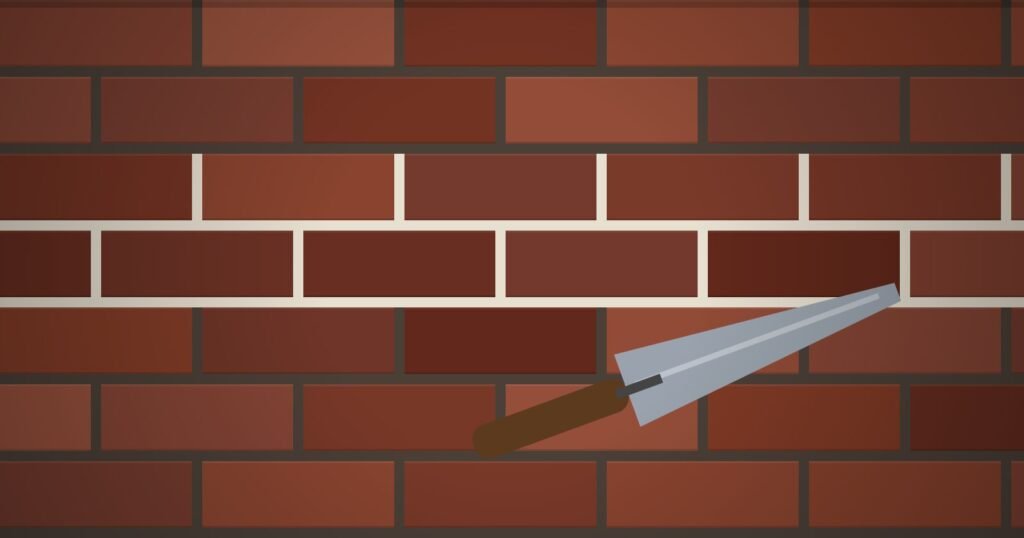
How to spot failing mortar, what proper tuckpointing and repointing involve, and how to hire the right Columbus masonry crew
Most people look at brick and see the bricks. Masonry professionals look at the mortar. The joints between the bricks hold the wall together and keep water out, and when they fail, moisture reaches places it should never be. A small gap today can become a damp interior wall, a loose chimney or a bulging facade in a few seasons.
Cap City Exterior provides tuckpointing and repointing for homes and commercial buildings across Columbus, New Albany and Central Ohio. This guide explains how to recognize mortar problems early, what the repair process looks like and what to ask before you hire anyone.
What Tuckpointing and Repointing Actually Mean
The two terms are often used interchangeably, and in everyday conversation that is fine. Both describe the same basic job: removing deteriorated mortar from the joints of a brick or stone wall and replacing it with fresh mortar. The result is a wall that sheds water again and looks the way it was meant to.
Strictly speaking, repointing is the broader term for renewing the joints, while tuckpointing refers to a finishing technique that uses two mortar colors to create a crisp, fine line. In Ohio, most customers simply need sound, watertight joints, and a good contractor will explain which approach suits your building.
Signs Your Mortar Joints Are Failing
Mortar rarely fails overnight. It wears away slowly, and the signs are easy to spot if you know where to look. Walk around your property and check for:
- Crumbling or sandy mortar: joints that feel powdery or fall away when you press them with a key.
- Visible gaps or hairline cracks: especially where the mortar has pulled away from the brick.
- Recessed joints: mortar that has eroded far back from the face of the brick.
- Loose or shifting bricks: units that wiggle, or a wall that looks uneven.
- White mineral deposits: a chalky residue on the surface that suggests water is moving through the wall.
- Damp patches indoors: stains or peeling paint on interior walls below failing exterior brick.
If you notice any of these, a prompt inspection is worth it. Repairing joints is far less costly than rebuilding brick that has been damaged by years of water.
Why Columbus Brick Wears Out
Central Ohio’s climate is tough on masonry. Rain soaks into small cracks, and when winter temperatures drop, that water freezes and expands. Each freeze-thaw cycle opens the gap a little wider. Over many winters, even good mortar gives up.
Age plays a part too. Many Columbus homes, especially in neighborhoods such as German Village, Clintonville, Grandview Heights, Bexley and Upper Arlington, were built decades ago with lime-based mortars that have simply reached the end of their life. Chimneys suffer most, because they are exposed to weather on every side.
How Professional Tuckpointing Is Done
The quality of a repair depends almost entirely on preparation. A rushed job that simply smears new mortar over old joints will fail within a year or two. A proper job follows these steps:
- Assess the wall: the crew inspects the brick, the joints and the cause of any damage, such as poor drainage or a leaking gutter.
- Remove the old mortar: failing mortar is cut out to a sound depth, taking care not to chip the surrounding brick.
- Clean the joints: dust and debris are removed so the new mortar can bond properly.
- Apply fresh mortar: the joints are filled in layers with a mix suited to the brick and the building.
- Finish and clean up: the joints are tooled to a consistent profile and the wall is left clean.
Skipping any of these steps is how repairs fail early. If a contractor cannot describe their process clearly, that is worth noticing.
Matching Mortar and Brick on Older Homes
Not all mortar is the same, and using the wrong kind can do real damage. Older brick is often softer than modern brick, and it was laid with softer mortar designed to flex and let moisture escape. Filling those joints with a harder, stronger mortar can force the brick to take the stress instead, and the faces of the bricks may crack and flake.
That is why matching matters, both for strength and for appearance. A skilled crew will pay attention to the mortar mix, the color and the joint style, so repairs blend into the existing wall instead of standing out. We match existing materials wherever possible, and you can see examples on our recent work page.
Tuckpointing for Chimneys and Commercial Buildings
Chimneys are one of the most common reasons homeowners call us. Exposed to rain, snow and wind, they often need new joints well before the rest of the house does. Left alone, failing mortar can allow water into the structure and loosen the brick. Our chimney repair and rebuild work covers repointing, crowns and caps, flashing and full rebuilds when repair is no longer enough.
Commercial buildings have their own demands. Storefronts, offices and parapet walls need facade restoration that keeps the building looking professional while keeping the business running. A crew experienced with commercial work will plan around your hours, protect the public and keep the site tidy.
What Affects the Cost of Tuckpointing
Every wall is different, so reputable contractors quote after seeing the job. The main factors are:
- Size of the area: a single chimney is a very different job from a full facade.
- Condition of the joints: deeper damage takes longer to cut out and repair.
- Access: work at height needs scaffolding or specialist equipment.
- Materials: matching an older mortar color or a historic brick takes extra care.
- Underlying problems: water damage or loose brick may need repair before repointing.
Be cautious of any quote that seems far lower than the rest. Tuckpointing is labor-intensive, and a low price often means the old mortar was not properly removed.
The Best Time of Year for Tuckpointing in Ohio
Mortar needs the right conditions to cure properly. Work done in very cold weather can be damaged by frost before it sets, and work done in intense heat can dry too quickly and weaken the bond. In Central Ohio, that makes spring and fall the most comfortable seasons for most repointing jobs, although a good crew can often work around the weather with careful planning.
The better rule is not to wait for the perfect season. If you spot failing joints in late summer, getting them repaired before winter keeps freeze-thaw cycles from making the damage worse. Booking a free estimate early also gives you time to compare options without feeling rushed.
How Long Repointing Lasts and How to Protect It
Properly done, repointing can protect a wall for many years. How long depends on the quality of the preparation, the mortar, the exposure of the wall and how well water is managed around the building. A wall under a leaking gutter or beside a downspout that dumps water on the brick will wear out faster than one that stays dry.
A few simple habits extend the life of the work. Keep gutters and downspouts clear, make sure soil slopes away from the foundation, and check your brick once a year, ideally in spring after the worst of the winter. Catching a small problem early almost always costs less than fixing it later. We also offer masonry sealing and restoration for long-term protection.
When to Repair and When to Rebuild
Tuckpointing solves a joint problem. It cannot fix a structural one. If bricks are cracked through, a wall is leaning or a chimney has moved, repointing alone will not hold. An honest contractor will tell you when a rebuild is the better investment, even if it is the bigger job. That honesty is part of what you are paying for.
Questions to Ask Before You Hire
Before you commit to a masonry contractor, ask:
- Are you licensed and fully insured?
- How will you remove the old mortar, and to what depth?
- How will you match the mortar to my brick?
- Will you also look at the cause of the damage?
- Can I see similar jobs you have completed?
You can also read what other customers say on our reviews page. We serve homes and businesses across Columbus and New Albany.
Tuckpointing FAQs
How do I know if I need tuckpointing? Look for crumbling mortar, gaps, recessed joints or loose bricks. If you are unsure, an on-site assessment will tell you.
Can you match my existing brick and mortar? Yes. We handle tuckpointing, repointing, rebuilds and restoration, matching existing materials wherever possible.
Do you work on commercial buildings? Yes. We handle facade repair, parapet walls and restoration for businesses. Our FAQs page answers more questions.
Talk to a Tuckpointing Contractor in Columbus
If your brick is showing its age, Cap City Exterior is ready to help. Request your free estimate or call 614-682-9809 and we will reply within one business day.